
Hospital Jobs After FSC: The Best Beginner Guide (2026)
Hospital Jobs After FSC: What You Can Actually Do Right Now (Not Just “Wait for MBBS”)
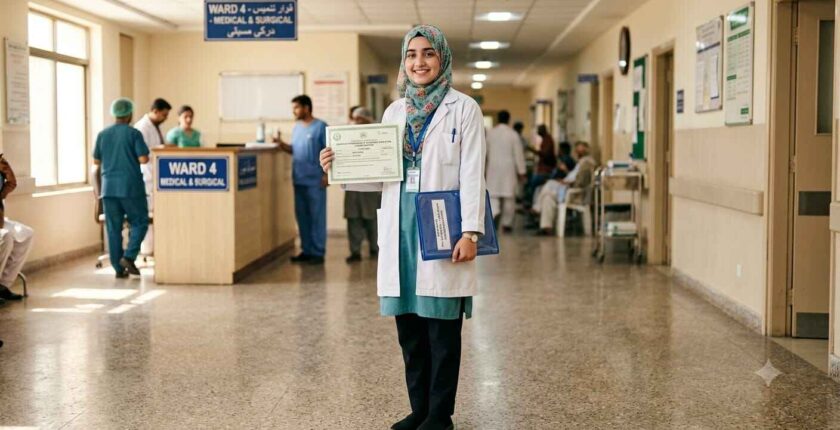
If you’re looking into hospital jobs after FSC because medical college didn’t work out this year, you’re not alone — there’s more waiting for you than you think. I remember sitting with my cousin after her FSC pre-medical results came out — she didn’t get into a medical college that year, and the look on her face was like her entire future had just ended. Everyone kept telling her, “Just retake the MDCAT” or “wait for next year’s merit list.”
Nobody told her there were actual, real, paying jobs in hospitals she could start immediately with just her FSC certificate. It took us almost two months of research to figure that out ourselves.
If you’ve just finished FSC (pre-medical) and you’re either waiting for medical college admission, didn’t get in this cycle, or just want to start earning and gaining healthcare experience early — this is everything I wish someone had handed us on a piece of paper back then.
Why Nobody Tells You About These Jobs
Most students only hear about two paths after FSC: MBBS/BDS or “some other random degree.” The healthcare job market between those two extremes is basically invisible unless you actively go looking for it.
Hospitals — especially private ones — constantly need entry-level staff who understand basic biology, human anatomy, and medical terminology. That’s literally what FSC pre-medical already gives you. You don’t need four more years of college to be useful in a hospital setting.
Step 1: Know What Jobs Are Actually Open to You
This is the part that surprised us most. There’s a real range of positions, and the pay and requirements vary a lot.
My cousin actually ended up as a medical records assistant at a private hospital in Lahore for almost a year before reapplying to medical college. She said understanding basic anatomy from FSC made the job way easier than it was for coworkers coming from a non-science background.
Step 2: Get the Small Certifications That Actually Matter
Here’s what we learned after wasting time applying with just the FSC certificate alone — some jobs genuinely want one small extra certificate, and it takes way less time than people assume.
- Basic Life Support (BLS) or CPR certification — usually 1-2 day courses, offered by the Red Crescent or private training centers
- Medical terminology short course — some are even free online (look up ones from Coursera or local hospital training programs)
- Computer basics / MS Office — sounds unrelated, but almost every entry-level hospital job now requires basic data entry skills
- Phlebotomy basics — helpful specifically for lab assistant roles, usually a few weeks
None of these needs more than a month or two, and they make a real difference in whether you get shortlisted or not.
Step 3: Where to Actually Apply
This part trips a lot of people up because they only check one or two places and give up.
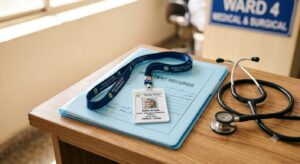
Honestly, the front desk job my cousin’s friend got wasn’t even posted anywhere — she walked in, asked the HR office directly if they had openings, and got called back two weeks later.
Common Mistakes We Made (So You Don’t Have To)
- Only applying to big-name hospitals — smaller private hospitals and clinics hire constantly and have way less competition
- Not following up after applying — a polite phone call a week later genuinely helped in a few cases
- Skipping the interview prep because “it’s just an entry-level job” — hospitals still care about professionalism, even for support roles
- Assuming these jobs are a waste of time before medical college — actually, having real hospital floor experience made medical college interviews and even patient interaction skills noticeably easier later
- Ignoring government hospital openings — they’re competitive, but the job security and benefits are often better long-term
What a Realistic Timeline Looks Like
Don’t expect to walk into a job the same week. Here’s roughly how it went for people we know:
Final Thoughts
Finishing FSC and not getting into medical college the same year doesn’t mean your healthcare journey is on pause. There’s a whole layer of real hospital jobs that most people never hear about simply because nobody talks about them outside actual hospital HR departments.
My cousin ended up getting into medical college the following year, but she always says that year working in the hospital taught her more about how healthcare actually runs than any textbook did. If you’re in that in-between phase right now, use it — it’s not wasted time, it’s a head start.