
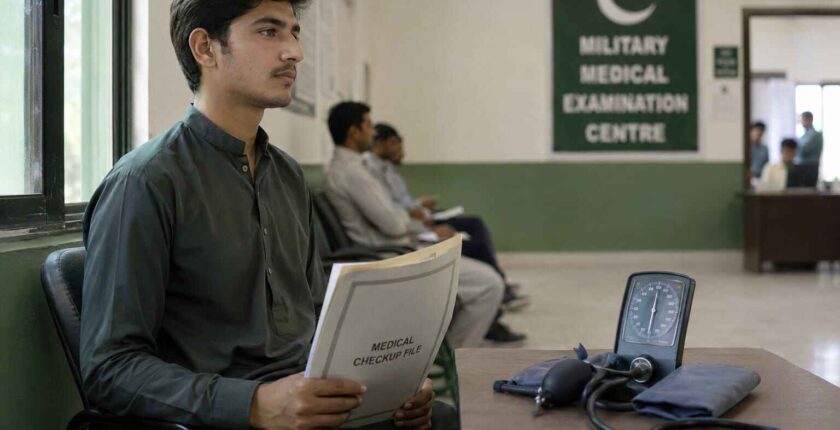
Pakistan Army Medical Test Explained: The Best Guide (2026)
Pakistan Army Medical Test Explained: What My Cousin Learned After Getting Rejected Twice
My cousin failed the Army medical test twice before finally getting through on his third attempt, and both times he was rejected for reasons he genuinely hadn’t seen coming. The first rejection was over a minor dental issue he didn’t even know existed until the medical officer pointed it out during examination. The second time, it was a slightly elevated blood pressure reading that he later realized was likely due to pure nervousness on test day rather than any underlying condition.
By his third attempt, he’d done his homework properly, fixed what could genuinely be fixed, understood which conditions were disqualifying versus temporary, and walked in mentally prepared instead of blindly hopeful. He finally cleared it, and looking back, he says most of his stress in the first two attempts came from simply not knowing what the test actually checked for or how seriously specific issues were weighed.
Since then, I’ve helped two younger cousins prepare for their own Army medical tests, using everything we learned from his experience and cross-checking details with a family friend who works as a medical officer in a different branch of the forces. This is everything that combined experience has taught us, written the way I wish someone had explained it to my cousin before his very first attempt.
Why the Medical Test Catches So Many People Off Guard
Most candidates spend months preparing for the written test and physical fitness requirements, treating the medical examination almost like an afterthought, something to just show up for after the “real” tests are done. That assumption is exactly what caught my cousin off guard both times. The medical test isn’t a quick formality; it’s a genuinely thorough examination covering vision, dental health, cardiovascular indicators, general physical condition, and several specific disqualifying criteria that most candidates have never even heard of before test day.
Understanding what’s actually being checked, and which issues are permanently disqualifying versus temporarily correctable, made an enormous difference in how my younger cousins approached their own preparation.
What the Medical Test Actually Covers
My cousin’s dental issue fell under the oral hygiene assessment: a minor cavity he’d genuinely never noticed causing any pain, but which was flagged as needing treatment before he could be cleared. It wasn’t a permanent disqualification, just something requiring correction and a follow-up check, which he simply hadn’t anticipated needing to address beforehand.
Temporary vs Permanent Disqualifying Conditions
This distinction is honestly the most important thing my cousin wishes he’d understood from the start. Not every flagged issue means automatic rejection forever; some are correctable, while others genuinely are permanent barriers.
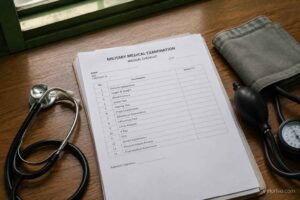
My cousin’s second rejection, the blood pressure issue, fell squarely into the temporary category. His family doctor confirmed it was almost certainly anxiety-related, given his otherwise consistently normal readings at home. Understanding this distinction gave him the confidence to reapply rather than assuming his chance was permanently gone.
Step-by-Step: How My Cousin Actually Prepared for His Successful Third Attempt
- Got a full independent medical checkup roughly two months before his scheduled test, specifically checking dental health, vision, blood pressure, and general fitness markers
- Treated the identified dental cavity properly, getting a completion certificate from the dentist as documentation
- Practiced basic relaxation breathing techniques in the weeks leading up to test day, specifically to manage the anxiety that had spiked his blood pressure previously
- Avoided caffeine and heavy salt intake for several days directly before the test, since both can temporarily affect blood pressure readings
- Got proper sleep the night before, having learned that sleep deprivation had likely worsened his anxiety symptoms during his second attempt
- Brought all his previous medical documentation, including the dental completion certificate, in case it was needed for reference
Step 3 sounds almost too simple to matter, but he genuinely credits it as one of the biggest factors in passing his blood pressure check the third time. Walking in calm rather than visibly nervous made a measurable, real difference in that specific reading.
What Happens During the Actual Test Day
Based on what my cousin and the two younger cousins who followed his advice experienced, the medical examination typically follows a fairly structured sequence.
- Initial registration and document verification — confirming identity and previous application records
- Height and weight measurement — conducted early in the process
- Vision and hearing tests — standard eye chart reading and basic hearing assessment
- Dental examination — checking teeth, gums, and overall oral condition
- Blood pressure and pulse check — often conducted more than once if the first reading seems elevated
- General physical examination — checking for visible scars, skin conditions, joint mobility, and any structural concerns
- Blood and urine sample collection — sent for lab analysis, results reviewed as part of final clearance
One of my younger cousins mentioned that the blood pressure check was specifically repeated for him after an initially high first reading, giving him a genuine second chance to calm down before the final reading was recorded, something he hadn’t expected but was relieved to experience.
Common Mistakes People Make Before the Medical Test
- Ignoring dental health entirely — assuming minor cavities or gum issues won’t matter, when they’re actually commonly flagged during examination
- Not addressing known health issues in advance — waiting until test day to discover a correctable problem wastes an entire application cycle.
- Consuming caffeine or energy drinks right before the test — this can temporarily spike blood pressure and heart rate readings.s
- Arriving sleep-deprived and visibly anxious — both genuinely affect cardiovascular readings during the actual examination.on
- Not understanding which conditions are temporary versus permanent — some candidates give up entirely after a correctable rejection, assuming their chance is gone forever. ver
- Skipping an independent pre-test checkup — going in blind means discovering issues for the first time during the actual official test, with no time to prepare or correct anything
The caffeine mistake is one his second cousin nearly repeated too, having a large energy drink on the morning of his test purely out of nervous habit, before being reminded at the last minute to skip it entirely.
Frequently Asked Questions
Can I reapply for the Army medical test after being rejected once?
Yes, if the disqualifying issue was a temporary or correctable condition, you can typically reapply in a future cycle after addressing it and obtaining relevant medical documentation.
Does wearing glasses automatically disqualify me from the medical test?
Not necessarily; vision standards allow for corrective lenses within certain limits depending on the specific entry type, so it’s worth checking the exact vision requirements for your chosen entry.
How strict are the height and weight requirements during the medical test?
Height standards are generally fixed and non-negotiable, while weight within a reasonable range relative to height can sometimes be adjusted with time before reapplying.
Will a minor dental cavity disqualify me permanently?
No, minor dental issues are typically correctable; getting them treated before your medical test, or before reapplying if flagged, generally resolves the issue.
Can anxiety on test day genuinely affect my blood pressure reading during the medical exam?
Yes, temporary anxiety-related blood pressure spikes are a real and fairly common occurrence during medical exams, and some candidates are given a repeat reading after calming down.
Are blood and urine test results shared with candidates directly?
This can vary by recruitment center, but candidates are generally informed if any specific issue is flagged that affects their clearance status.
Should I get an independent medical checkup before the official Army medical test?
Yes, this is strongly recommended, as it gives you time to identify and address any correctable issues before facing the actual official examination.
Is it worth mentioning a pre-existing minor condition to the medical officer during the exam?
Yes, being upfront and honest, along with providing any relevant treatment documentation, is generally better than hoping an issue goes unnoticed.
Final Thoughts
My cousin’s path to finally clearing the Army medical test wasn’t about extraordinary effort or luck on his third attempt;mpt, it was about understanding exactly what the test checked for, addressing what could genuinely be fixed, and managing the anxiety that had worked against him previously. The first two rejections felt devastating at the time, but neither one turned out to be the permanent setback he initially feared.
If you’re preparing for your own Army medical test, get an honest independent checkup well in advance, address anything correctable properly, and walk in as calm and prepared as possible rather than simply hoping for the best. That preparation is genuinely what made the difference between my cousin’s two rejections and his eventual success.