
Army Jobs
Pakistan Army Soldier Jobs 2026 Complete Sipahi Guide Full Time
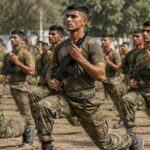
Pakistan Army Soldier Jobs 2026 Complete Sipahi Guide
Job Summary
Pakistan Army Soldier Jobs 2026 open the most accessible entry point into the armed forces, requiring nothing beyond a Matric certificate for general duty positions, unlike the DSSC officer route already covered, which demands a completed professional degree. This is the recruitment track most young Pakistani men actually pursue, since it doesn’t require years of additional education, just physical fitness, a clean record, and genuine commitment to the demanding training that follows.
What separates informed applicants from those who show up unprepared is understanding that this isn’t a simple walk-in process. Registration windows are specific and time-limited, physical standards are strictly enforced on the spot, and the eventual training washes out recruits who can’t keep pace, meaning treating this as casually as filling out a form does most candidates a disservice.
Available Sipahi Trades
- General Duty (GD) Soldier
- Soldier Clerk
- Nursing Assistant
- Technical Trade Soldier
- Driver
- Military Police
- Sanitary Worker
- Cook
| Detail | Information |
|---|---|
| Organization | Pakistan Army |
| Job Type | Full Time |
| Sector | Defence / Enlisted Service |
| Location | Army Selection and Recruitment Centres Nationwide |
| Gender | Male Only |
Note: Newly inducted soldiers typically receive a gross package in line with official Army pay scales, plus free accommodation, medical care, and rations, communicated fully during the enrollment process.
Eligibility Criteria
- Citizen of Pakistan, Azad Kashmir, or Gilgit-Baltistan
- Age generally 17½ to 23 years, with relaxations for graduates, martyrs’ families, and candidates from specific merged districts
- Minimum Matric (2nd division or higher) for General Duty posts; higher qualifications required for Clerk (Intermediate) and Nursing Assistant (FSc Pre-Medical)
- Minimum height typically 5’6″ for most trades, varying slightly by category and region, with height relaxation available under specific policies
- Chest measurement standards apply, checked physically at the recruitment centre.e
- Must clear a medical examination and pass the required physical fitness tests
Documents Required
- Original educational certificates or DMC, with two attested photocopies
- Computerized CNIC or B-Form
- Father’s CNIC copy
- Domicile certificate (state subject certificate for AJK candidates)
- Four passport-sized photographs
How the Selection Process Actually Works
Registration happens either online through the official Army portal or in person at an Army Selection and Recruitment Centre, both equally valid routes, despite online registration being more convenient for most applicants. After registering, candidates receive a roll number slip specifying their test date, which arrives at a fixed time that cannot be rescheduled, making it worth building your schedule around this date rather than treating it as flexible.
At the recruitment centre, candidates first undergo written testing covering Urdu, basic mathematics up to Matric level, general knowledge about Pakistan, and Islamic Studies, with English comprehension added for Clerk and Storekeeper positions specifically. This written stage filters out candidates before the more resource-intensive physical and medical testing begins, so treating the academic component seriously rather than assuming it’s a formality matters more than many applicants realize.
Candidates who clear the written testing move to a physical fitness assessment, including running, push-ups, sit-ups, and chin-ups, measured against specific standards, followed by preliminary medical screening on the same day in most cases. Final selection combines performance across the written, physical, and medical stages,s along with an interview, with shortlisted candidates eventually called for a comprehensive final medical examination at a designated military hospital.
What the Medical Examination Actually Involves
Many candidates underestimate how thorough the final medical screening becomes once they’ve cleared earlier stages. Expect a full blood panel, urine analysis, chest and bone X-rays, complete eye examination including color vision testing, hearing assessment, dental check, and psychological evaluation, not just a quick physical glance. Conditions that commonly disqualify candidates at this stage include flat feet, color blindness, significant uncorrected vision problems, thalassemia major, epilepsy, and asthma, so candidates with any of these concerns benefit from honest self-assessment before investing time in the earlier application stages.
Being upfront about existing health conditions during preliminary screening, rather than hoping they go unnoticed until final medical, saves considerable time and disappointment, since concealed conditions typically surface anyway at the more thorough final examination stage.
Life After Selection
Once selected, recruits undergo demanding physical and military training covering drill, weapons handling, physical conditioning, military discipline, first aid, and regimental traditions, a period during which underperforming recruits can still be discharged even after initial selection. This training phase deserves genuine respect rather than assuming selection alone guarantees becoming a soldier.
Beyond the immediate training period, soldiers receive free accommodation, medical coverage for themselves and their families, ration allowances, uniform and equipment, and access to Army Public Schools for their children’s education. The career path from Sipahi through Naib Subedar to Subedar follows a merit-based promotion structure, with pension eligibility after 21 years of service and priority consideration for government positions after retirement, benefits that extend well beyond the active service period itself. Graduates seeking a commissioned officer path instead can review our Pakistan Army DSSC Officer Jobs 2026 listing.
Official Website
Visit Official Portal: https://www.joinpakarmy.gov.pk
Apply By
Sipahi recruitment cycles run on specific registration windows announced each year, so confirming the exact current dates on the official portal before beginning preparation prevents missing a narrow application period.