
Airforce Jobs
PAF GD Pilot Jobs 2026 – Complete Guide to Officer Induction Full Time
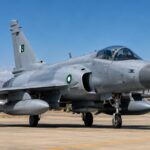
PAF GD Pilot Jobs 2026 have been officially announced for young men and women pursuing a commissioned officer career as fighter or transport aircraft pilots.
Job Summary
Unlike the Airman recruitment covered separately, Pakistan Air Force’s General Duty Pilot induction targets a completely different candidate profile — young men and women pursuing a commissioned officer career specifically as fighter or transport aircraft pilots. This 2026 induction cycle opens applications for intermediate and graduate-level candidates through PAF’s structured cadet college and direct entry pathways.
The distinction between Airman and GD Pilot tracks matters significantly for anyone researching PAF careers. Airman roles involve technical and support trades without direct flight command responsibility, while GD Pilot candidates undergo years of rigorous flight training aimed specifically at operating PAF’s fighter jets, transport aircraft, or helicopters as commissioned officers.
Entry Pathways Available
Intermediate Entry (After FSc/A-Levels)
Graduate Entry (After Bachelor’s Degree)
GD Pilot Direct Entry Scheme
PAF Cadet College Pathway
Aeronautical Engineering to GD Transfer
Short Service Commission Pilot Entry
| Detail | Information |
|---|---|
| Organization | Pakistan Air Force (PAF) |
| Job Type | Full Time / Commissioned Officer |
| Sector | Defence / Aviation |
| Location | PAF Academy Risalpur and Training Bases Across Pakistan |
| Gender | Male and Female |
Note: Pay and allowances follow official PAF officer pay scales, communicated during the commissioning process rather than published as fixed figures.
Eligibility Criteria
Pakistani citizen, unmarried, aged 16 to 22 years, depending on the entry scheme.
Minimum FSc Pre-Engineering or equivalent with required physics and math grades
Height minimum 5’4″ with proportional weight per PAF medical standards
Excellent eyesight meeting PAF aircrew visual standards without corrective surgery
No history of asthma, epilepsy,y or other disqualifying medical conditions
Must clear ISSB (Inter Services Selection Board) assessment
Documents Required
Original CNIC and B-Form
Academic transcripts and certificates
Domicile certificate
Character certificate from an educational institution
Recent passport-sized photographs
Father’s CNIC and NOC if currently employed elsewhere
Selection Process Explained
Becoming a PAF pilot involves a considerably longer and more selective process than Airman recruitment, reflecting the specialized nature of flight training investment. After initial document screening, shortlisted candidates undergo preliminary testing at PAF selection centers covering academic aptitude, English proficiency, and basic aviation knowledge.
Candidates who clear this stage proceed to the ISSB assessment, a multi-day evaluation used across Pakistan’s armed forces that examines psychological suitability, leadership potential, and physical fitness through structured group tasks and individual interviews. This stage alone eliminates a significant percentage of applicants, since ISSB specifically looks for officer-material traits beyond just academic performance.
Successful ISSB candidates then face a rigorous medical examination specifically focused on aircrew fitness standards, considerably stricter than general military medical requirements, given the physiological demands of flight operations. Only after clearing medicals do candidates receive final selection for cadet training at PAF Academy Risalpur.
What Makes Pilot Training Different
Once selected, GD Pilot cadets undergo initial officer training alongside basic flying instruction, a demanding two-year program combining academic coursework, military discipline training, and progressively advanced flight training on training aircraft before eventual specialization into fighter, transport, or helicopter streams based on performance and PAF requirements.
This training intensity means dropout rates during the academy phase run higher than most civilian educational programs, since candidates who struggle with either academic demands or flight aptitude sometimes get reassigned to non-flying branches rather than washing out entirely. Understanding this possibility beforehand helps candidates approach the program with realistic expectations rather than assuming guaranteed pilot status upon acceptance.
For candidates specifically motivated by fighter aircraft operations, stream selection isn’t guaranteed even after successful academy completion, since PAF assigns specializations based on organizational needs alongside individual aptitude scores from flight training performance.
Career Path Beyond Initial Training
Commissioned PAF pilots follow a structured career progression very different from Airman service tracks, with promotion tied to flight hours, performance evaluations, and periodic professional military education courses required for advancement to senior ranks. Many pilots eventually transition into instructor roles, staff positions, or squadron leadership as their careers progress beyond active flying assignments.
The prestige associated with PAF pilot status in Pakistani society remains considerable, though candidates should understand that this career demands sustained commitment extending well beyond initial training, often involving postings across different bases nationwide based on squadron requirements throughout an officer’s service. Candidates also curious about the technical trades pathway can review our PAF Airman Jobs 2026 listing for a non-flying career route.
Official Website
Visit the Official Portal: https://www.paf.gov.pk
Apply By
PAF Academy induction cycles follow specific annual application windows announced on the official website, so monitoring the portal during announced periods ensures candidates don’t miss application deadlines.