
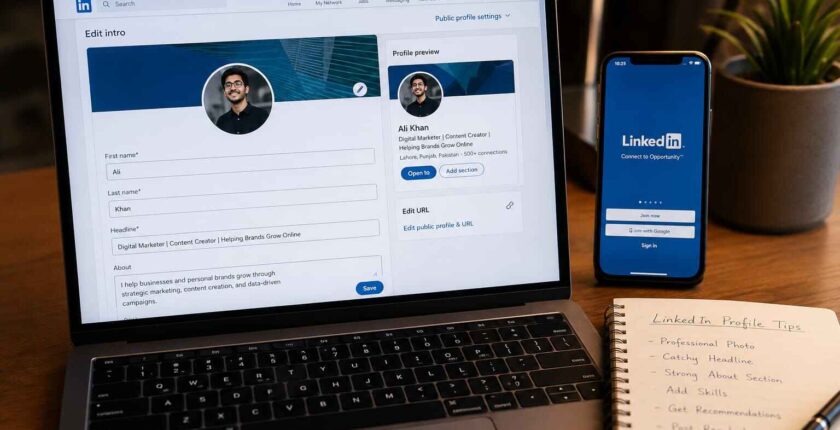
How to Optimize Your LinkedIn Profile for Jobs: The Best 2026 Guide
How to Optimize Your LinkedIn Profile for Jobs: What Actually Got Me Recruiter Messages Instead of Silence
If you’re figuring out how to optimize your LinkedIn profile for jobs, this covers exactly what changed things for me, from an invisible profile to actual recruiter messages. I had a LinkedIn profile for almost two years that basically just sat there doing nothing. Same generic headline that said “Marketing Professional,” a profile picture from a family wedding cropped badly, and an experience section that read like a job description I’d copy-pasted straight from the company’s own website. Zero recruiter messages, barely any profile views, and I genuinely thought LinkedIn just wasn’t useful for someone at my career stage.
Then a friend who works in HR looked at my profile during a video call, visibly winced, and spent the next twenty minutes tearing apart nearly every section of it. Uncomfortable conversation, but genuinely one of the most useful twenty minutes of my job search. Within six weeks of actually rebuilding the profile properly, I had three recruiters reach out to me directly, something that had never happened in the previous two years combined.
If your LinkedIn profile feels like it’s just sitting there without doing anything for your job search, this is everything I actually changed, plus what my HR friend pointed out that I never would have noticed myself.
Why Most LinkedIn Profiles Quietly Fail
The biggest issue with my old profile, and honestly most profiles I’ve reviewed for friends since then, is that they’re written like a formal resume dumped onto a webpage rather than something designed for how people actually search and scan on LinkedIn. Recruiters aren’t reading every word of your profile; they’re scanning for specific keywords, skimming your headline, and making quick judgments based on your photo and summary within the first few seconds.
My old headline just said my job title. That’s it. No keywords, no indication of what I actually specialized in, nothing that would show up when a recruiter searched for something specific like “social media marketing” or “content strategy.” I was technically visible on LinkedIn, but practically invisible in any meaningful search.
Profile Section Breakdown: Before vs After
The About section was the one my HR friend was most shocked by. She said an empty “About” section is one of the fastest ways to get skipped over, since it’s often the first thing a recruiter actually reads after your headline, and mine had literally nothing there for two years.
Building a Headline That Actually Gets Found in Search
My friend explained something I genuinely didn’t know: LinkedIn’s internal search algorithm weighs your headline heavily when recruiters search for specific keywords. A vague job title tells the algorithm almost nothing useful about your specific skills.
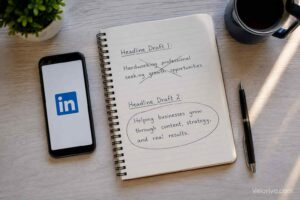
I rewrote mine to include the exact three specialty areas I wanted to be found for, and within a couple of weeks, my “who’s viewed your profile” section started showing actual recruiter titles instead of the random, unrelated views I used to get before.
Step-by-Step: What I Actually Did to Rebuild My Profile
- Got a proper headshot taken — didn’t need a professional photographer, just good natural lighting, a plain background, and someone to take a few clear shots on a decent phone camera
- Rewrote my headline with specific keywords related to my actual skills, not just my generic job title
- Wrote a real About section covering my background, core skills, and what type of role I was looking for, written in first person, conversational tone
- Rewrote every experience bullet point to include specific numbers and outcomes instead of vague task descriptions
- Reordered my skills section to put the three most relevant skills at the top, since LinkedIn only prominently displays a few before requiring a click to see more
- Requested recommendations from two former colleagues who could genuinely speak to my actual work
- Started posting occasionally about industry-relevant topics, which my friend insisted actually boosts profile visibility in ways most people don’t realize
Step 7 felt the most uncomfortable initially. I didn’t consider myself someone who posts things online for professional reasons, but even a handful of thoughtful posts noticeably increased my profile views compared to a completely silent, inactive account.
Real Examples: Bullet Points Before and After
The experience section rewrite made the biggest visible difference, so here’s exactly what changed in practice.
- Before: “Responsible for managing social media accounts and creating content”
- After: “Managed content calendar across 4 social platforms, growing combined follower count by 35% over eight months through consistent, data-informed posting”
- Before: “Worked on marketing campaigns for the company”
- After: “Led a product launch campaign that generated 200+ qualified leads within the first month, coordinating between design, content, and paid ad teams”
Neither of these rewrites involved exaggerating anything. It was purely about digging up actual numbers I already had access to (through analytics dashboards and reports I’d created at the time) and presenting them clearly instead of leaving them buried in vague language.
Common Mistakes People Make With Their LinkedIn Profile
- Leaving the About section empty — this section is genuinely one of the first things recruiters check after your headline.
- Using a generic job title as the headline instead of specific, searchable skills and keywords
- Copy-pasting job descriptions directly from the company website instead of writing personalized, achievement-focused bullet points
- Never updating the profile picture from an old, informal photo — first impressions genuinely matter more than people expect
- Staying completely inactive — never posting, commenting, or engaging with anything, which reduces overall profile visibility in LinkedIn’s algorithm
- Ignoring the skills section entirely — an unordered or outdated skills list doesn’t help you get found in relevant searches
The inactivity mistake is one I underestimated the most. I assumed LinkedIn activity only mattered for people actively building a personal brand, not for someone simply job hunting, but my friend explained that even minimal, occasional engagement genuinely affects how often your profile surfaces in recruiter searches.
Frequently Asked Questions
How often should I update my LinkedIn profile while job hunting?
Regularly reviewing it every few weeks is a good habit, especially updating your headline or skills section if you’re targeting different types of roles during your search.
Does having a LinkedIn Premium subscription actually help with getting noticed by recruiters?
It can provide additional visibility features like seeing who viewed your profile in more detail, but a well-optimized free profile with strong keywords and content matters significantly more than the subscription itself.
Should I connect with recruiters directly, or wait for them to reach out?
Both approaches work; proactively connecting with a short, genuine message explaining your interest in relevant roles can be just as effective as waiting to be discovered organically.
How important is the banner image at the top of my LinkedIn profile?
It’s a small but often overlooked detail; a simple, professional banner related to your industry adds polish, though it matters far less than your headline, photo, and About section content.
Is it okay to list skills I’m still learning, not fully mastered yet?
Yes, as long as you’re honest about your proficiency level if asked directly; listing skills you’re actively developing shows growth, but avoid exaggerating expertise you don’t genuinely have.
How long should my About section actually be?
Three to four short paragraphs work well, covering your background, key skills, and what you’re currently looking for, written in a natural, first-person tone rather than overly formal language.
Does posting on LinkedIn actually make a measurable difference for job seekers specifically?
Yes, even occasional, thoughtful posts related to your field can increase profile visibility and engagement, which indirectly improves how often you appear in relevant searches.
Should students or fresh graduates with limited work experience still optimize their LinkedIn profile?
Absolutely; focusing on academic projects, internships, relevant coursework, and specific skills in the headline and About section can be just as effective as work experience for early-career profiles.
Final Thoughts
Rebuilding my LinkedIn profile properly wasn’t about dramatically changing who I was professionally; it was about actually representing my real skills and achievements in a way that was visible and searchable instead of buried under vague, generic language. The recruiter messages that started coming in weren’t from anything fabricated, just the same experience I already had, finally described clearly enough for the right people to actually find it.
If your profile has been sitting quietly without results, take an honest look at each section the way a recruiter would scan it in ten seconds. Specific keywords, real numbers, and an actual, filled-out About section made a bigger difference for me than I ever expected from something that used to feel like a formality more than a real job search tool.